We all lost in golf’s civil war
By Fred Varcoe
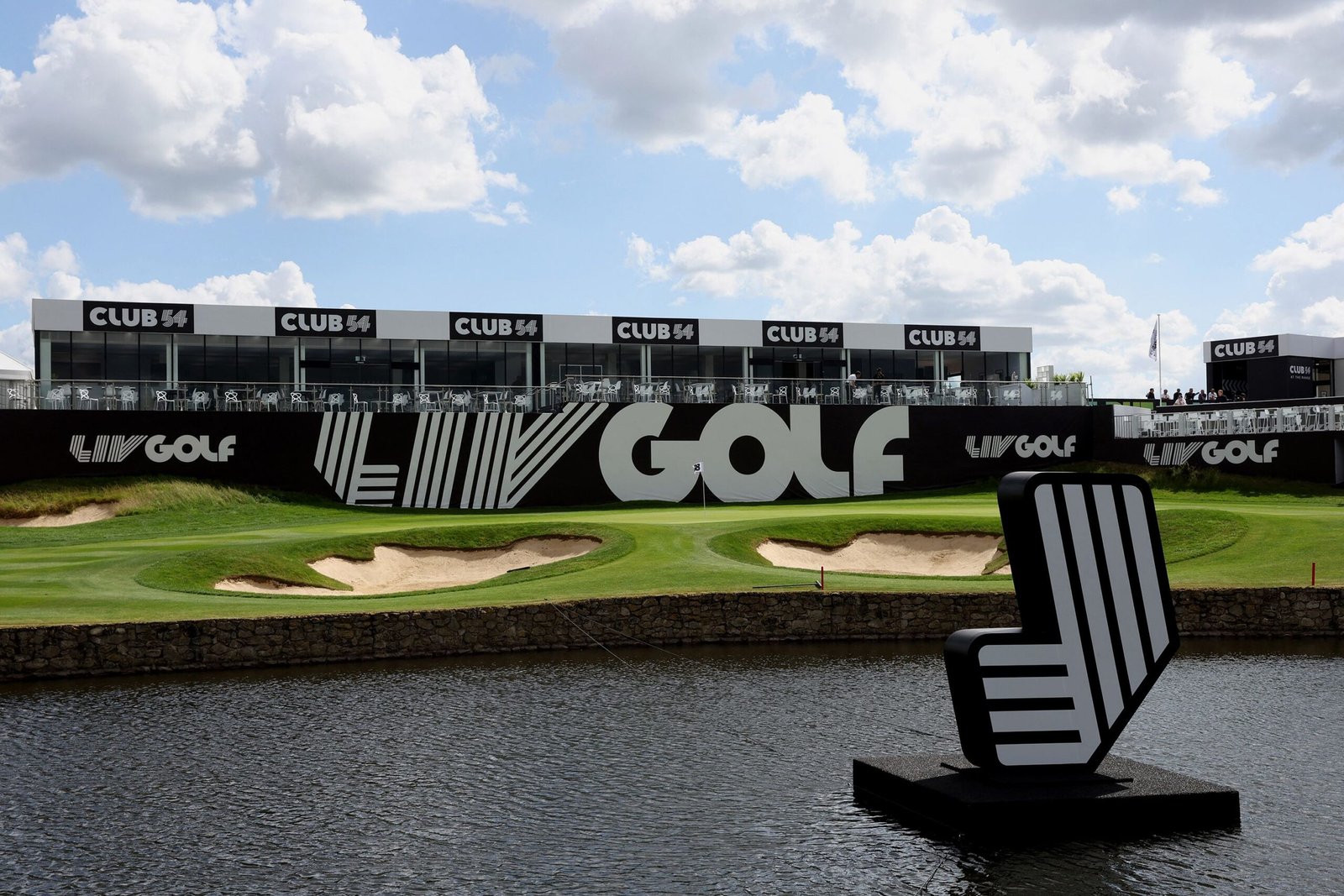
For the last four years, golf has been in a crisis. Many people would have you believe the crisis was caused by LIV Golf, the Saudi-sponsored tour and team event. LIV may have been the catalyst for the rupture in the golf world, but was it the cause?
LIV has been accused of wanting to take over golf around the world and its accusers were probably helped by the appointment of Greg Norman as its CEO. Norman had history of wanting to create a world golf tour and antagonism toward the PGA Tour, which also wanted to dominate world golf. This created two immediate problems: Norman was an established enemy of the PGA Tour and the PGA Tour was American and US-focused. Yes, it had its paws in other areas, but it was still basically and American tour. Golf was bigger than the United States even though the PGA Tour was undoubtedly the biggest fish in the golf pond.
LIV wanted to work with the PGA Tour, a fact that often gets overlooked. It envisaged itself as a complement to the PGA Tour and other tours around the world. Its prime aim was to establish a team element to golf, which made sense considering the runaway success of the Ryder Cup and the enormous sums sports teams around the world were valued at.
But the PGA Tour stonewalled LIV and Norman; LIV because the PGA Tour regarded it as competition, Norman because they hated him. The PGA Tour’s decision meant that golf would be divided over the next four years. It was not the first ridiculous decision by the “Country Club Boys,” and it wouldn’t be the last. For those who haven’t noticed, major sports organizations are often run by blinkered idiots with no vision or imagination. I’ve dealt with many. Just look at soccer and FIFA; the biggest sport in the world is run by Class A idiots.
LIV’s flaws
Unfortunately, LIV’s plan was also fatally flawed. It seems like it was drawn up on a napkin in a few minutes and put into place without any due diligence. It was a two-pronged approach: invent teams out of nowhere and pay huge sums of money to anyone who wanted to defect from the PGA Tour, DP World Tour or any other tour.
The team element was doomed to failure from the start. Teams and team franchises need an anchor; LIV’s teams had none. (Latterly, they tried to combine nationalities into one team, but that was also an unrealistic solution.) The team element was also made subservient to the individual competition, so it was immediately devalued. The teams needed some kind of focus and were never given one. The sensible answer was either to build a team around a captain or, much better, to link a team to a location. You only have to look at the success of LIV’s Adelaide tournament to see the sense in that idea.
The other weak point in LIV’s team event was the restriction of four players per team. My idea was that each team would have a squad of eight to 10 players, with four representing a team in any given week. But that idea was predicated on the PGA Tour releasing players to play in LIV events (and the OGWR allocating points to those events). Golf would expand, the players would have interesting opportunities, everyone’s a winner. Not.
The PGA Tour monopoly
Here we run up against the biggest stumbling block in the whole setup: the PGA Tour’s right to restrict players from playing in any non-PGA Tour event. The hypocrisy of the PGA Tour terming golfers “independent contractors” is off the scale. Yes, the golfers did agree to this, but this stinks of monopoly, and restriction of trade is illegal.
In the U.S., “restraint of trade covers a broad range of activities, including:
Creating a monopoly;
Coercing someone to stop doing business;
Forcing someone to change their business so it isn’t as competitive;
Using non-compete clauses or other contract provisions to prevent someone from conducting business;
Negatively affecting someone’s ability to conduct business freely.”
I’m not lawyer, but how does the PGA Tour reconcile this with their “independent contractors?”
Let’s face it, the PGA Tour is just one competition, effectively in one country. Why was it so scared of the LIV events? The obvious reason is that it might lessen the value of its own tour, but that’s highly unlikely. We already have three of the four majors in the U.S., as well as strong tours in Europe, Japan, Canada, Asia, etc., and they co-exist with the PGA Tour. And there are even times when the PGA Tour competes with itself, holding two events at the same time, so surely there’s room for a few more events. On top of that, not all the top players play every week, so if they’re not playing in a PGA event, why should they need permission to play elsewhere?
The truth is the PGA Tour is scared of competition. As a result of LIV, it has gone even further by targeting college players. The PGA Tour rolled out the following, according to the Golf Channel website:
“For college players hoping to both earn status through PGA Tour University and compete in the LIV Golf Invitational Series, they will now have to pick one or the other. PGA Tour U announced on Wednesday an amendment to its rules of regulations. Effective immediately, players will forfeit their PGA Tour eligibility if they tee it up in a professional tournament that is unranked by the Official World Golf Ranking and not otherwise approved by the PGA Tour. This news comes after last week’s report that LIV Golf had extended membership to the top six players in the World Amateur Golf Ranking, a group that includes several players currently in the PGA Tour U Velocity Global Ranking.”
Sometimes, sports organizations need a good kick to get them moving. Cricket famously changed when outsider Kerry Packer tried to buy it. Cricket still has its five-day tests, but the rest of the game has been transformed with different formats and leagues around the world. Volleyball is another sport that has reinvented itself over the years with radically different rules and new tournaments. Golf, like football, seems to wallow in its own self-importance.
LIV’s ambush
That said, LIV’s attempt to join the golf world was an ambush, not a partnership. Tempting players from their regular tours with buckets of cash obviously worked in some cases, but while it won them a few battles, it probably lost them the war. LIV should have held off until it could work with the PGA Tour and then the PGA Tour could have leveraged its value to its advantage. In the end, neither side won and golf as a whole lost out.
But not everyone lost out. Of course, LIV’s big guns were paid handsomely to defect, but the real winners were those who whined the most: PGA Tour golfers. For a start, it forced the PGA Tour to increase purses and any number of golf professionals earned spots on the PGA Tour that otherwise wouldn’t have been available. A lucky few were able to claim PGA Tour victories that perhaps others – i.e., LIV’s big guns – would have won if they were still playing on the Tour.
Of course, not everyone loved LIV, with Telegraph reporter Oliver Brown writing an article titled, “Good riddance to LIV, the most irresponsible business model ever conceived. A classless spectacle from start, the breakaway league tore golf in two, rewarded mediocrity and shredded the public image of everyone involved.” That was only the headline.
Brown continued: “It has been a classless circus from start to finish, shredding the images of just about everybody involved. Greg Norman, once admired for his swagger as golf’s Great White Shark, never quite countered the impression that he was simply using LIV to settle his personal grievances with the PGA Tour. The sport itself was a sham, because everybody was insulated from jeopardy. When LIV began, even the player in last place was guaranteed £88,000.”
LIV’s critics spout a similar line: that it’s not true competition. But you only had to watch LIV events (I’m sure Chamblee and chums never did.) to see the lie in that statement. One of the pluses of a 54-hole tournament is that there is a far greater chance of a close finish. Add in the team event and there is real competition and real tension. The deniers don’t get a pass on this one.
Chamblee the chump
But at least one person was happy with LIV. Brandel Chamblee has managed to briefly pop his head out of his own pit of insignificance by becoming the anti-LIV poster boy.
“As I said at the beginnings of this ill-conceived attempt to clean up the image of the Saudi government through LIV, the very nature of golf was drug into the sewer,” he said.
Here’s one of the stupidest notions that LIV’s critics have: that LIV was an attempt at “sportswashing,” specifically to detract from the murder of journalist Jamal Khashoggi. How does that work when EVERY time LIV is mentioned by a critic, the subject of Khashoggi’s murder and Saudi Arabia’s human rights issues are immediately triggered. In truth, LIV has drawn attention to these issues rather than detracted from them. And let’s not forget that the PGA Tour’s big partner, the DP World Tour, initiated a tournament in Saudi Arabia the year AFTER the murder of Jamal Khashoggi. Strange that Chamblee never brings that up.
The Tucker Carlson of the golf world goes on: “The LIV players went from being autonomous, picking and choosing where they play, sometimes on a whim and answering to nobody, to going where they were told, playing courses they likely didn’t care for, under conditions they had no say in.”
Talk about ignoring the facts to make a point. The BIGGEST FACTOR in the division of the golf world was the PGA Tour’s ability to refuse permission to any of its members to play in any other golf tournament around the world. And they took it to the extreme, banning Wesley Bryan indefinitely for playing in a YouTube event with LIV golfers.
It was the PGA Tour that was holding golfers hostage. LIV golfers could play in any tournament that didn’t clash with LIV. PGA Tour golfers are free to take 20 or even 30 weeks off in the year but in their weeks away from the Tour they can’t play golf in any non-PGA Tour-related event without permission from the PGA Tour.
PGA Tour boss Brian Rolapp is now running with predecessor Jay Monahan’s vindictive policy of seeking to punish LIV players with prejudice. The DP World Tour has also punished its former players with ludicrous fines. The punishments are laughable and inflated by the PGA Tour’s bloated assessment of its own importance.
The PGA Tour is not interested in the good of the game; it’s only interested in its monetary value. It has a corporate ego second to none. It may have won the LIV war but until it can see its own faults, golf will be the loser.